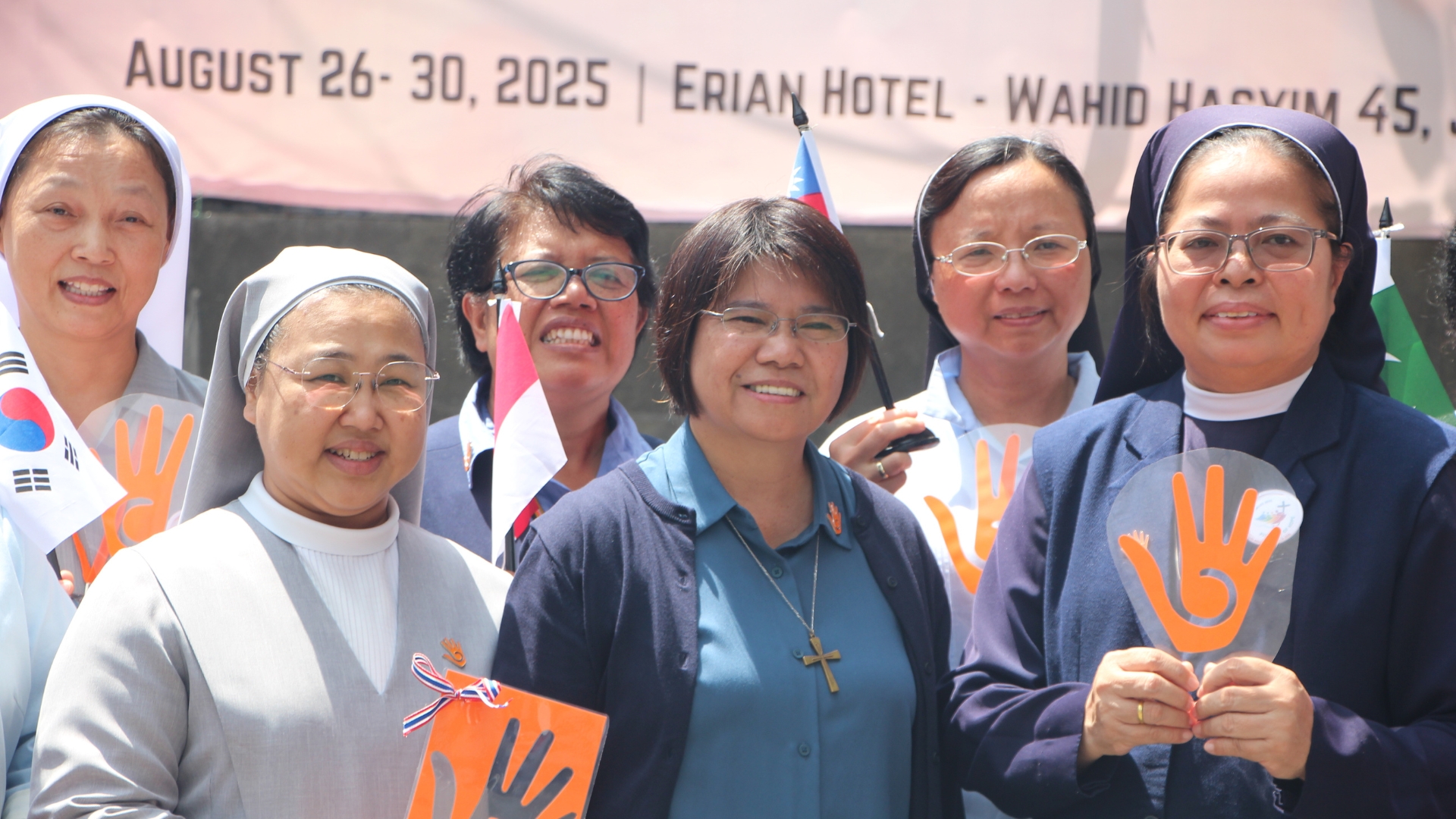
29/07/2026
News
World Day Against Trafficking in Persons: Talitha Kum Reached 1.21 Million People Worldwide in 2025
World Day Against Trafficking in Persons: Talitha Kum Reached 1.21 Million People Worldwide in 2025
TALITHA KUM, the International Network Against Human Trafficking led by Catholic Sisters, expands its global impact through prevention, partnership, survivor protection, access to justice, and advocacy
Rome, 29 July 2026 – On the occasion of the World Day Against Trafficking in Persons, Talitha Kum, the International Network Against Human Trafficking founded by the International Union of Superiors General (UISG) and led by Catholic Sisters across the world, today released its 2025 Annual Report, highlighting a significant expansion of its global outreach and impact.
According to the International Labour Organization (ILO), the International Organization for Migration (IOM), an estimated 50 million people are living in situations of modern slavery worldwide, while human trafficking and related forms of exploitation generate approximately US$236 billion in illegal profits every year. Against this backdrop, Talitha Kum continues to strengthen its global response through prevention, survivor protection, access to justice, partnership, and advocacy.
In 2025, Talitha Kum reached 1.21 million people worldwide, a 29.6% increase compared to 2024, through prevention activities, survivor protection and care, access to justice initiatives, advocacy efforts, and international partnerships. The report documents the work of the network across continents, providing data, analysis, best practices, and testimonies from people engaged with Talitha Kum in the fight against human trafficking.
“Behind every number is a person, a family, and a community,” the report notes. “These figures represent lives touched, communities mobilized, and hope restored.”
A Growing Global Network
Talitha Kum continued to strengthen its global presence in 2025, expanding to 68 national networks operating in 113 countries. New networks were established in Malawi, Botswana, Lesotho, and Eswatini. The network’s mission was carried forward by 6,387 Sisters and partners, representing a 5.7% increase compared to the previous year. This included 882 women religious congregations (+15.6%) and 100 male congregations (+28.2%), reflecting growing engagement by consecrated life in efforts to end human trafficking.
Prevention Remains the Largest Area of Intervention
Prevention continued to be Talitha Kum’s largest area of activity, reaching 928,972 people in 2025, a 34.6% increase over 2024. Among those reached were 303,359 women and girls (+36.3%) and 262,621 children under 18 (+28.7%). Through awareness campaigns in schools, parishes, clinics, traditional and social media, street theatre, and community events, Sisters, Youth Ambassadors, and partners provided vulnerable populations with information and tools to recognize and avoid trafficking risks.
Supporting Survivors
Talitha Kum networks provided protection and care to 27,329 survivors of trafficking and exploitation through safe shelters, medical and psychological support, legal assistance, education, vocational training, and livelihood opportunities. Of those supported, 15,964 were women and girls. Talitha Kum continued to prioritize survivor-centred support through long-term accompaniment, survivor empowerment, and holistic support that promotes healing, dignity, and sustainable recovery.
Strong Progress in Access to Justice
One of the most significant increases recorded in 2025 was in the area of access to justice, where Talitha Kum supported 7,141 survivors, representing a 72.4% increase compared to the previous year. Assistance included legal referrals, accompaniment during investigations and court proceedings, support in claiming legal rights, and collaboration with local partners to facilitate safe return and reintegration when possible. Talitha Kum considers access to justice a fundamental element of healing, protection, and prevention, while reinforcing accountability for traffickers and criminal networks.
Strengthening Partnerships and Advocacy
Partnership and networking activities grew by 77.5% in 2025, reflecting the importance of collaboration among religious congregations, interfaith organizations, governments, civil society organizations, and international partners. Advocacy efforts continued to address the structural causes of trafficking through policy dialogue, media engagement, petitions, and collaboration with human rights mechanisms. These initiatives aim to strengthen protections for vulnerable populations and encourage governments to take stronger action against exploitation.
Human Trafficking Continues to Evolve
Commenting on emerging trends, Sister Abby Avelino, MM, International Coordinator of Talitha Kum, highlighted the growing complexity of trafficking patterns worldwide: “Human trafficking continues to evolve in increasingly complex ways. The rapid expansion of organized online scam operations across Southeast Asia has become one of the most urgent and alarming forms of exploitation. Thousands of young people from Africa, Asia, and other regions have been deceived by false promises of employment, trafficked across borders, and forced into cyber-enabled criminal activities through violence and coercion. At the same time, wars and conflicts in the Middle East and in countries such as Burkina Faso, South Sudan, Nigeria, and the Democratic Republic of the Congo, together with forced displacement, climate-related crises, and growing inequalities, continue to expose millions of people to trafficking as criminal networks exploit fear, vulnerability, and desperation.”
A Call to Continue the Mission
“We are deeply grateful to all who are involved in Talitha Kum for their dedication and passion in seeking justice for those trapped in exploitative situations. We hope that congregations already engaged in this mission will continue to support it, and that others will encourage their members to become actively involved in this vital ministry of the Church. Together, we continue building a world free from human trafficking, where every person can live in freedom and dignity in the country or place of their choice.” said Sister Oonah O’Shea, President of UISG.
About Talitha Kum
Founded by UISG in 2009, Talitha Kum’s network operates in 113 countries through prevention, protection, access to justice, partnerships, advocacy, and survivor accompaniment initiatives. It brings together women and men religious, survivors, young people, and partners committed to ending human trafficking and promoting human dignity worldwide.
The full Talitha Kum 2025 Annual Report is available at:
https://www.talithakum.info/en/report2025/
Key Global Trends in Human Trafficking (source UNODC)
- Women and girls continued to make up the majority of victims and survivors identified worldwide. The majority of identified girl victims, (60%) continue to be trafficked for sexual exploitation. Around 45% of identified children are trafficked for forced labor;, and 47% are exploited for other purposes, such as forced crime and begging.
- Forced labor in some regions has surpassed sexual exploitation. Trafficking for the purpose of forced labor accounts for 42% of detected cases.
- The use of digital technologies for recruitment, online deception, and control of victims has grown exponentially. Criminal organizations exploit vulnerable individuals in cycles of victimization, forcing them to participate in cybercrime, such as online scams.
- Impact of forced migration: Migrants are highly vulnerable, representing a large proportion of identified victims and survivors. Traffickers take advantage of the lack of resources and the desperation of people in transit to subject them to sexual exploitation and forced labor.
- Increase in crime: Human trafficking shows a growing trend, with a 38% increase in the trafficking of minors, including forced marriage and child labor. At least 74% of identified traffickers operate within organized crime networks. They recruit their victims through fake job offers, social media, dating apps, and then use coercion to maintain exploitation.
- Risk factors: Institutional crises, economic inequality, climate disasters, and ongoing armed conflicts exacerbate vulnerability, especially in countries such as Burkina Faso, the Democratic Republic of Congo, Ukraine, Lebanon, Myanmar, Palestine, South Sudan, and Venezuela. Mass displacement caused by war creates severe risks; millions of people flee violence and destruction after losing their homes, income, and protection. Along their migration routes, they can be targeted by networks involved in sexual exploitation, forced labor, child recruitment, and cybercrime.
CONTACT FOR THE PRESS: ALESSANDRA TARQUINI +39347 911 7177
09/08/2026
Mary Udom RJM
I am impressed by the nice work been done by UISG. May our Good Lord continue to enrich you with His Blessings. Amen.
30/07/2026
Marie Béatrice EMBOLO MVOGO
Me donner à Dieu au bien de l'Eglise et à l'utilité du prochain.
30/07/2026
Mary Tiernan
Katie Yohe, Director of Holy Cross Justice PeaceCollaborative. Katie, Ann Lacour, Marianite sent the 2025 UISG Talitha Kum report. I do not know if you received it in the JPIC I am so happy that our 4 Holy Cross Congregations chose Anti Human Trafficking as The priority. Report is very informative. There is a link to the full Talitha Kum report via a link in the scrolling down on the initial report link here.. Blessings each day for you and your ministry
30/07/2026
Fideliza
Excelente informe sobre este flagelo de la humanidad, como es el delito de trata y tráfico de personas. Ojalá que este informe sea mucho más difundido para que la gente tome conciencia de la gravedad de esta actividad ilícita.
Related News
 News
Wednesday 15 July 2026
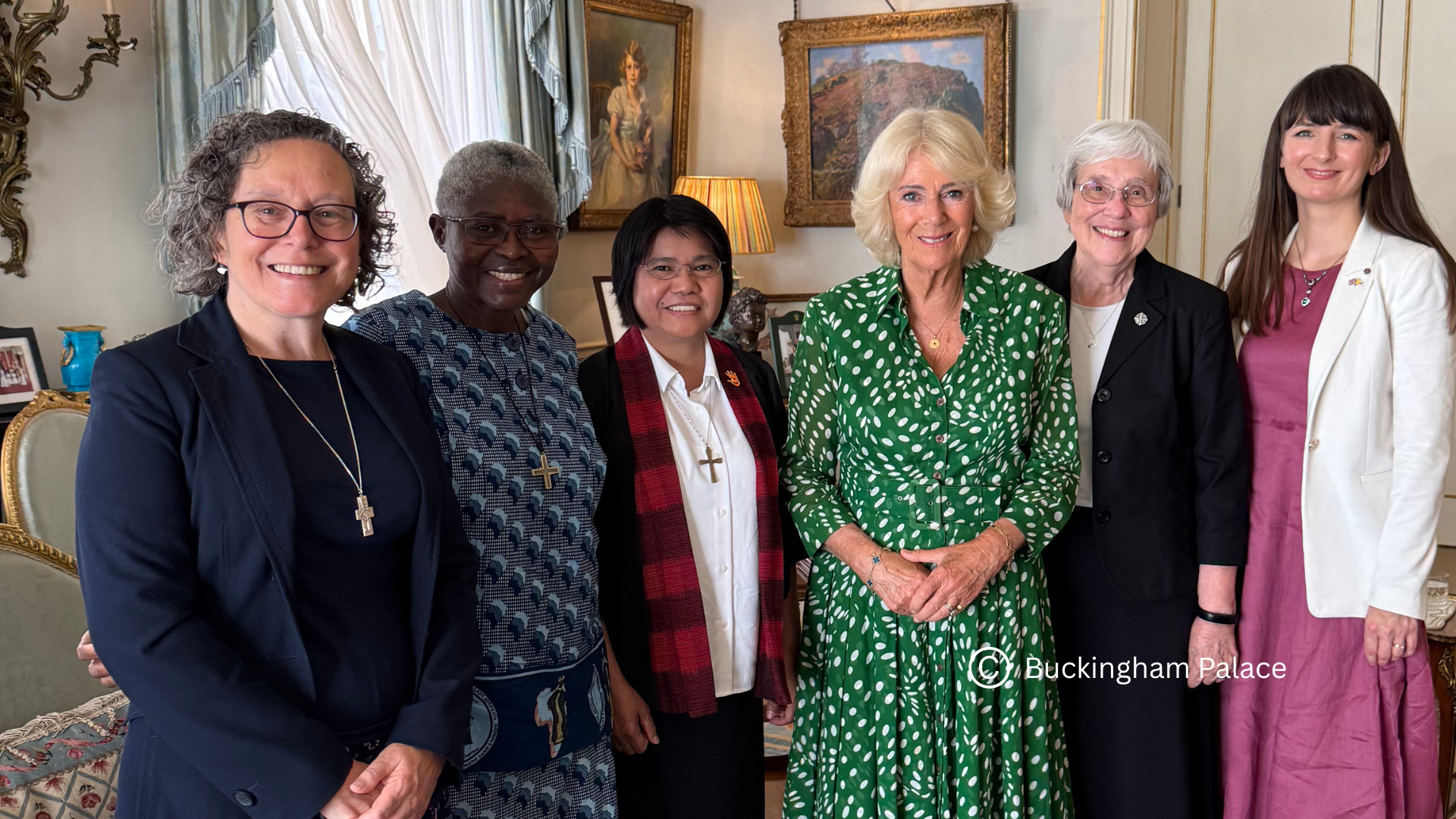
Catholic Sisters Meet Again with Her Majesty The Queen
Read
News
Wednesday 15 July 2026
Catholic Sisters Meet Again with Her Majesty The Queen
Read
 News
Wednesday 01 July 2026
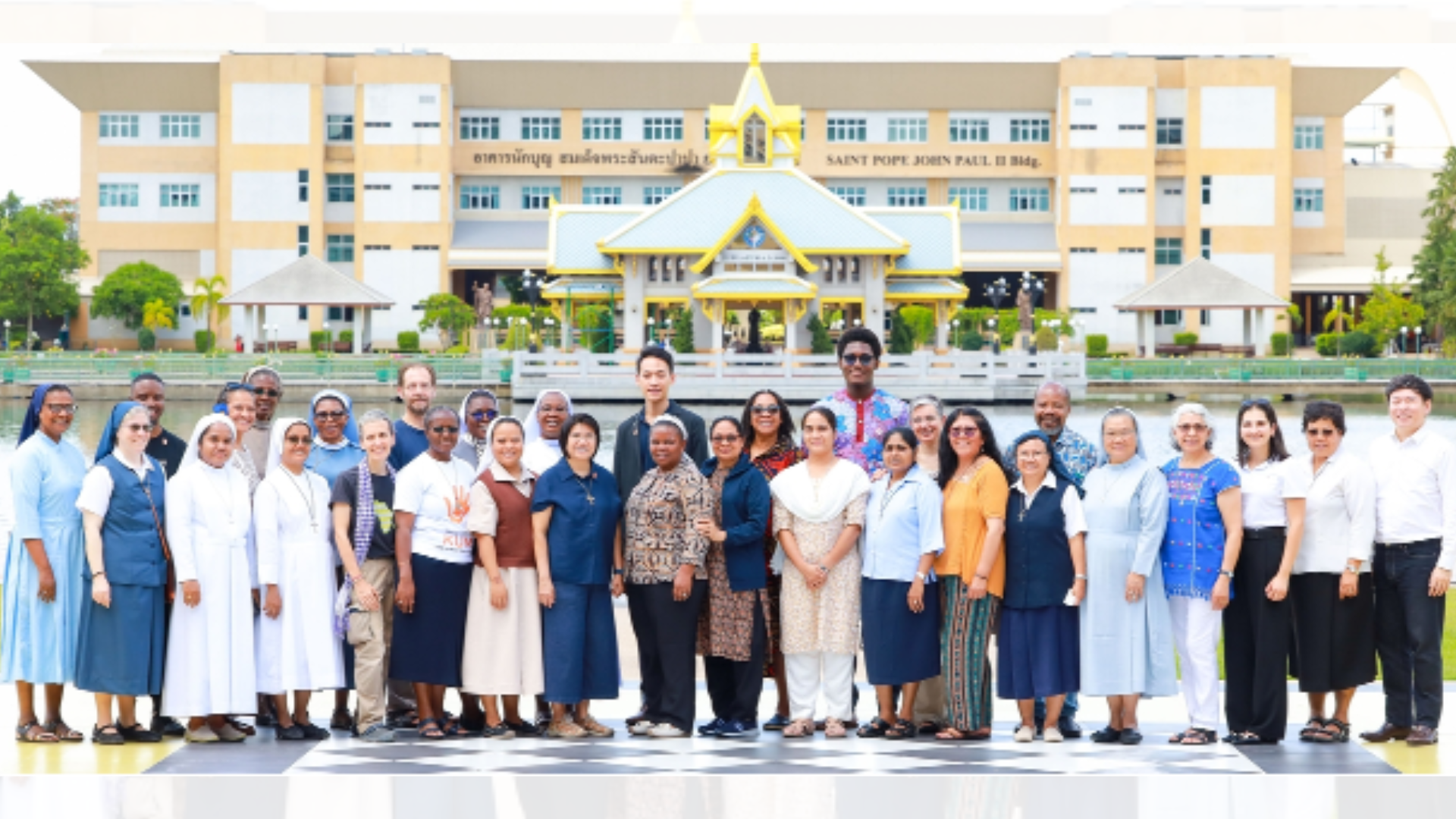
Talitha Kum: Sixth Leadership Training Course Held in Bangkok, Thailand
Read
News
Wednesday 01 July 2026
Talitha Kum: Sixth Leadership Training Course Held in Bangkok, Thailand
Read
 News
Monday 22 June 2026
Formation of Formators: A rekindled flame that burns with greater intensity
Read
News
Monday 22 June 2026
Formation of Formators: A rekindled flame that burns with greater intensity
Read
 News
Thursday 04 June 2026
Programme for the Preparation of Formators 2027
Read
News
Thursday 04 June 2026
Programme for the Preparation of Formators 2027
Read
Related Projects and Commissions

Sisters Advocating Globally
Learn more
Programme for the Preparation of Formators
Learn more
Talitha Kum
Learn more
12/08/2026
Pilar Vera Ruiz
EN españa ¿Como se trabaja la trata de personas y en que lugares?