21/09/2026
News
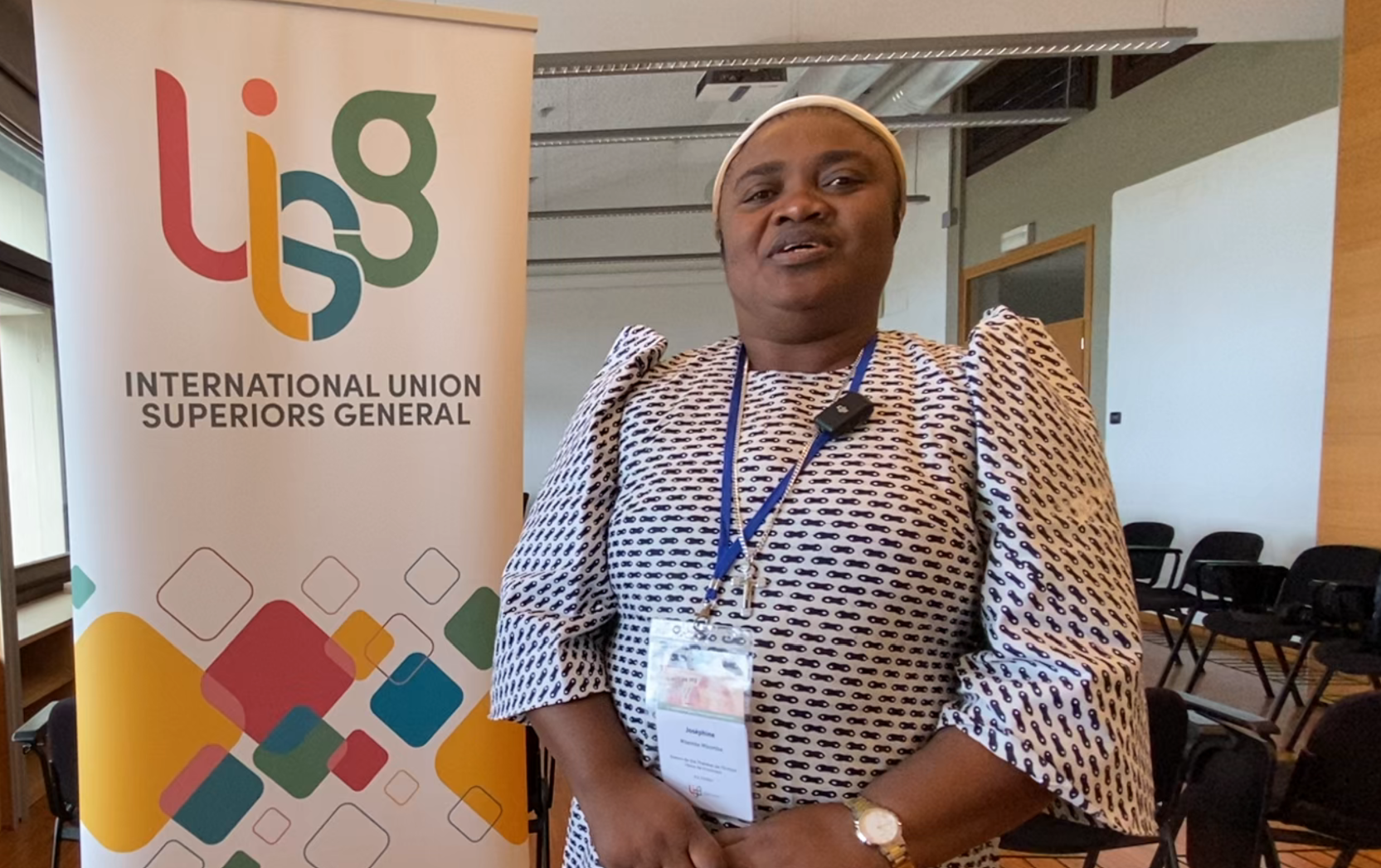
Sister Joséphine’s Experience at the Symposium of Women Religious Theologians in Nemi: “We Are Gathered Around Christ to Reflect on Our Consecrated Life”
Sister Joséphine’s Experience at the Symposium of Women Religious Theologians in Nemi: “We Are Gathered Around Christ to Reflect on Our Consecrated Life”
From 30 May to 7 June 2026, several women religious theologians from different continents and congregations gathered in Nemi to build relationships and place their theological expertise at the service of consecrated life.
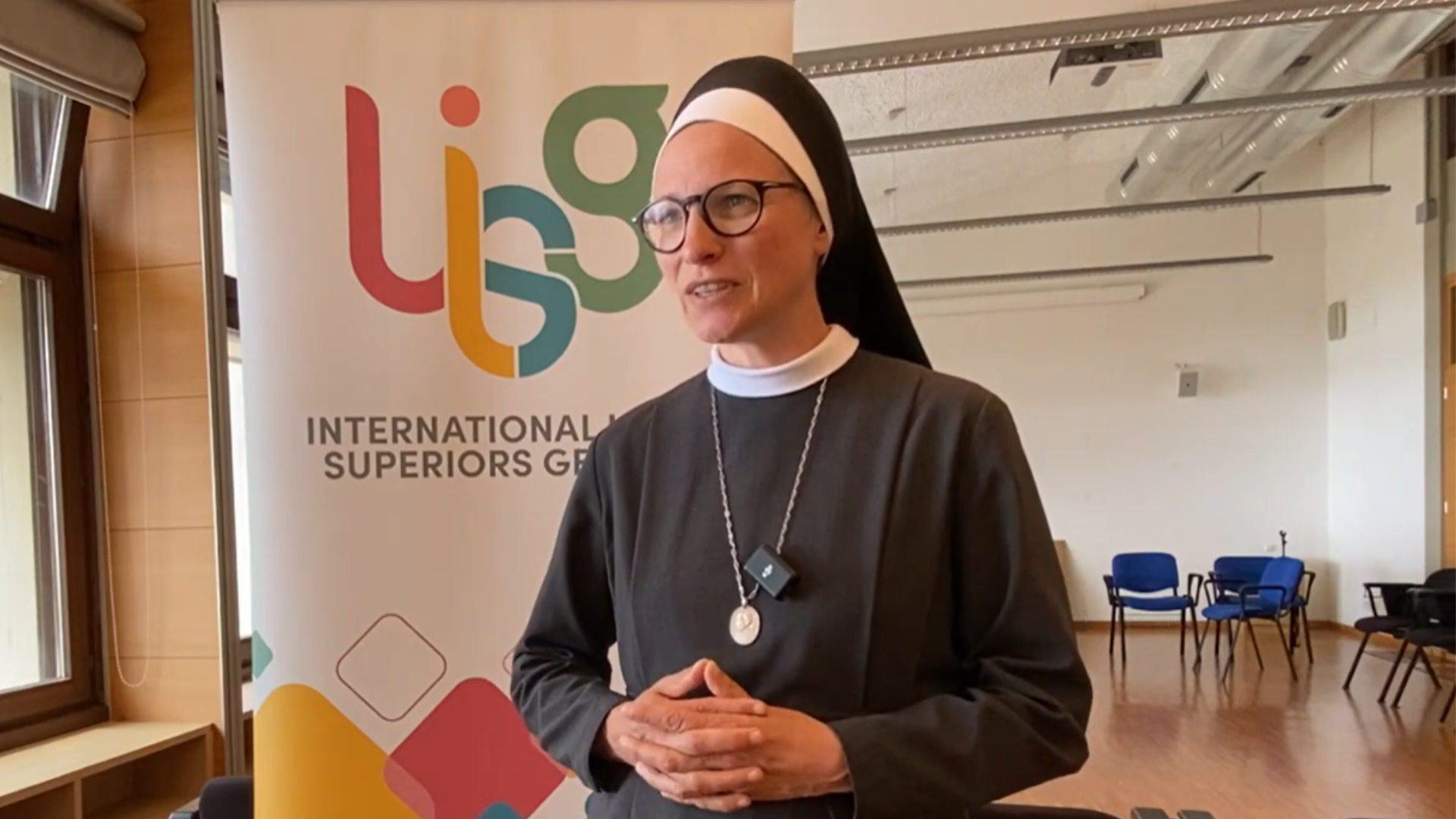
Sister Joséphine Mbembe Mbomba of Jesus, of the Sisters of Saint Thérèse of the Child Jesus of Kinshasa, who took part in the Symposium, shared her experience with us.
What contribution can women religious theologians make to building a more synodal Church, and how can the theology of consecrated life support this process?
The theology of consecrated life, which is my area of specialization, is closely connected to synodality, because consecrated life is, in itself, synodal.
In our communities, it fosters fraternity, communal discernment and living together. The Church itself is synodal. In the context of this Symposium, we, women religious theologians, were invited to reflect together on the current concerns and challenges facing religious life.
We seek to identify pathways that can help us move forward and respond to the questions facing our world. During the Symposium, we addressed, among other topics, synodality, abuse, the exercise of authority, the vow of obedience and the digital world.
At the end of this reflection, we will prepare a document that we will present to our leaders in order to contribute to the renewal of religious life.
What opportunities and challenges does the digital world present for consecrated life, and how can theology help us inhabit this new reality?
Religious life is intended to lead us towards God and eternal life. It must therefore be able to renew itself, so as not to remain confined to models that no longer enable it to move forward.
The reflection of women theologians can help us discern what truly fosters our community life. Living together is essential: it leads us towards God and contributes to building the Church of tomorrow.
We live in the world and have a mission to contribute to its transformation by leading it towards God, its Creator. The digital world is part of this reality, and we cannot set it aside. It helps us draw closer to one another despite distance, organize meetings, carry out research and fulfil our mission beyond certain limitations.
However, it can also disrupt our community life. When we become too dependent on digital tools, we risk forgetting the person who is right beside us. These tools can help us in many areas, including prayer, but they can also isolate us.
We must therefore ensure that the digital world does not undermine our synodality and our life together. If it becomes a space in which I feel comfortable and work on my own, without taking others into account, it risks weakening religious life.
Artificial intelligence also enables us to go beyond certain limitations in our mission, but it carries dangers as well. We must not put ourselves in God’s place: he remains at the centre of everything. Artificial intelligence can help us draw closer to God, but it can also lead us away from him.
As theologians, we therefore invite religious men and women to exercise discernment and practise moderation. It is important not to become dependent on these tools and never to forget the ideal of our religious consecration: God.
If you had to represent this Symposium through an image, which one would you choose?
I am deeply amazed by what we are experiencing here.
I think of Peter at the time of the Transfiguration. As an African woman, I choose the image of the mountain. In our culture, going up the mountain means going to be renewed, so that we can then come back down and share with others what we have received.
I therefore think of the Transfiguration of Jesus. Here in Nemi, we have withdrawn from the world for a while. Gathered around Christ, we have contemplated the wonders he has prepared for us and reflected together on our consecrated life.
As we come down from the mountain, we are called to become witnesses and to bring something new to those who are waiting for us.
I come from Congo. My sisters know that I came to take part in this theological reflection, and they are expecting something from me when I return. The same is true of all the participants in the Symposium, as well as our major superiors, who will learn about the results of our work.
The image I choose, therefore, is that of the mountain and the Transfiguration.
Related News
 News
Monday 14 September 2026
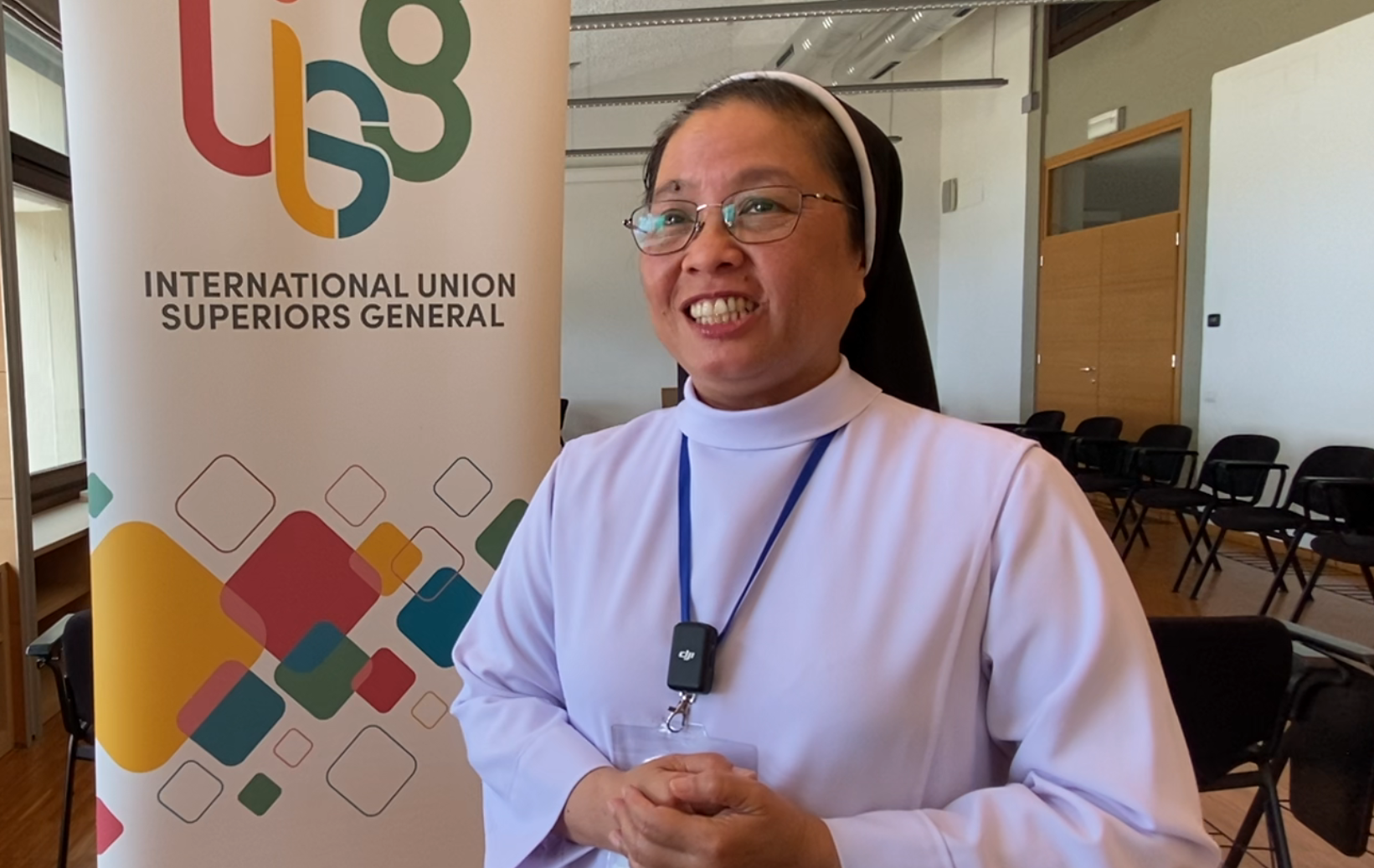
Sr. Ha Dinh's experience at the Women Religious Theologians Symposium in Nemi: “The gathering was like a contemporary Pentecost.”
Read
News
Monday 14 September 2026
Sr. Ha Dinh's experience at the Women Religious Theologians Symposium in Nemi: “The gathering was like a contemporary Pentecost.”
Read
 News
Monday 07 September 2026
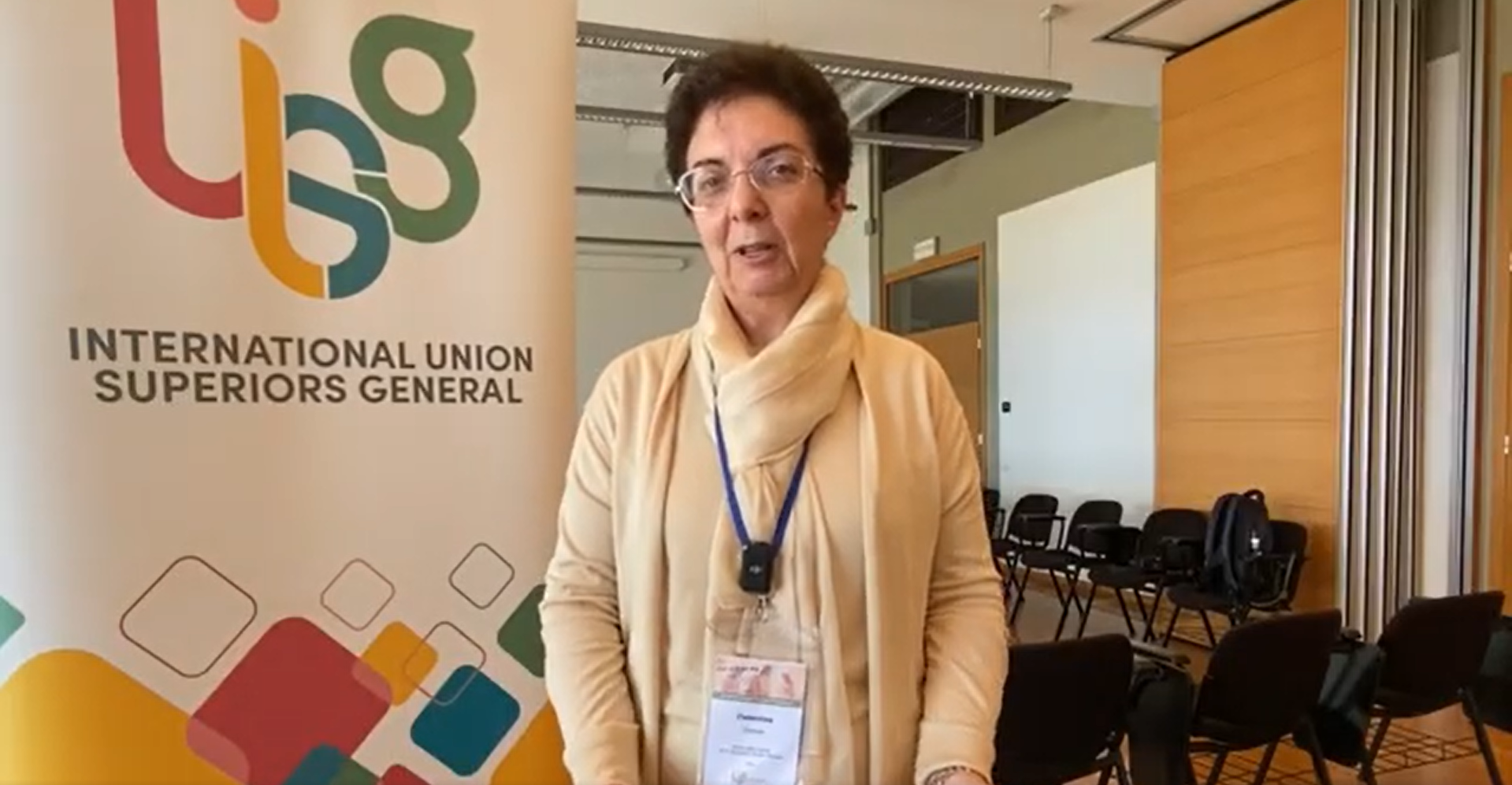
Sr. Clementina Carbone’s Experience at the Symposium of Women Religious Theologians in Nemi: “Building Networks Makes Us Stronger”
Read
News
Monday 07 September 2026
Sr. Clementina Carbone’s Experience at the Symposium of Women Religious Theologians in Nemi: “Building Networks Makes Us Stronger”
Read
 News
Monday 31 August 2026
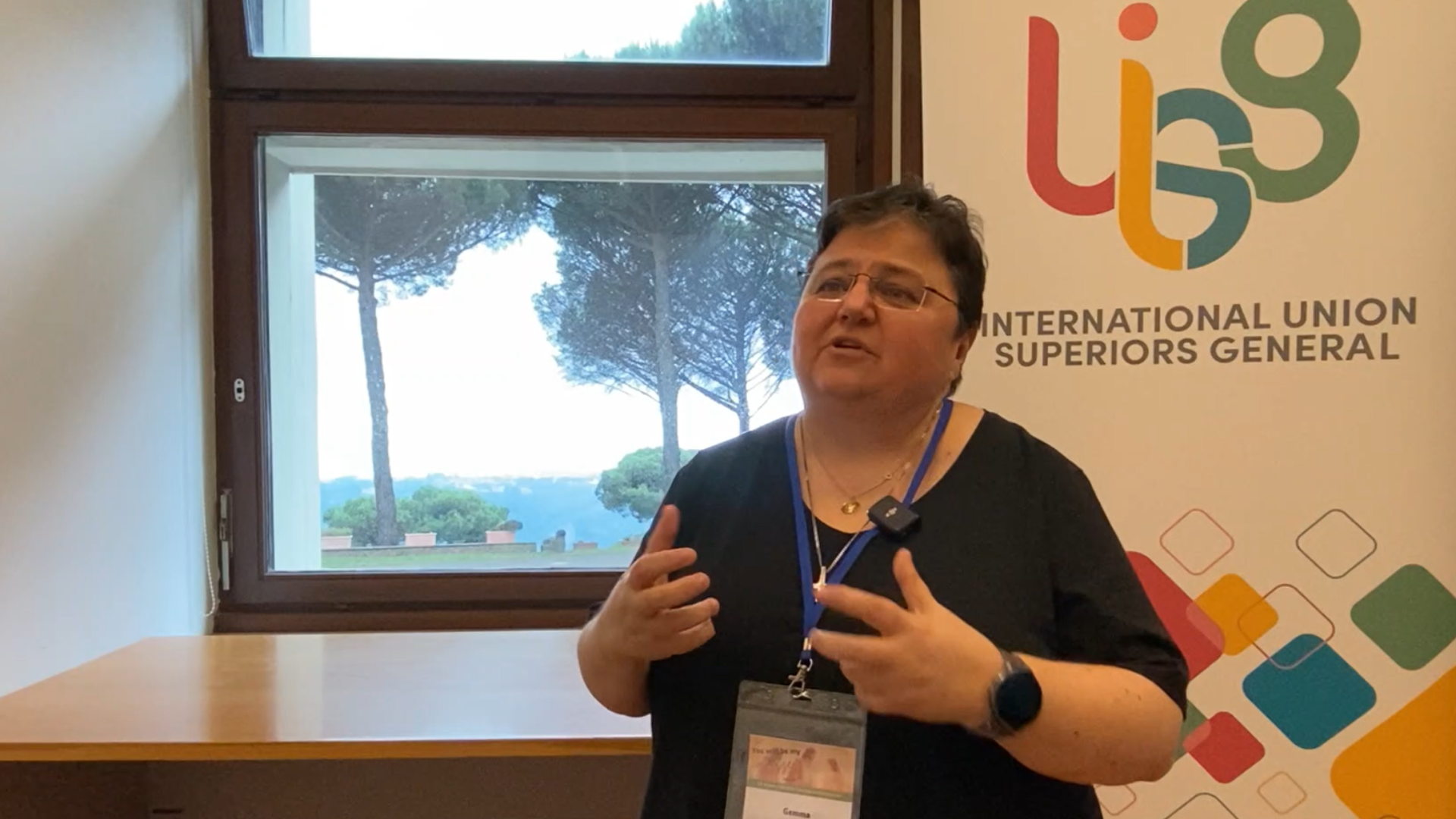
Sr. Gema Morató Sendra’s experience at the Symposium of Women Religious Theologians in Nemi: “Let us open up broad horizons where everyone has a place.”
Read
News
Monday 31 August 2026
Sr. Gema Morató Sendra’s experience at the Symposium of Women Religious Theologians in Nemi: “Let us open up broad horizons where everyone has a place.”
Read
 News
Monday 24 August 2026
Sr. Gabriella Zinkl’s Experience at the Symposium of Women Religious Theologians in Nemi: “Our Mission Is to Work for Peace”
Read
News
Monday 24 August 2026
Sr. Gabriella Zinkl’s Experience at the Symposium of Women Religious Theologians in Nemi: “Our Mission Is to Work for Peace”
Read