02/03/2026
News
How to respond to Members of Religious Orders Who Have Abused
How to respond to Members of Religious Orders Who Have Abused
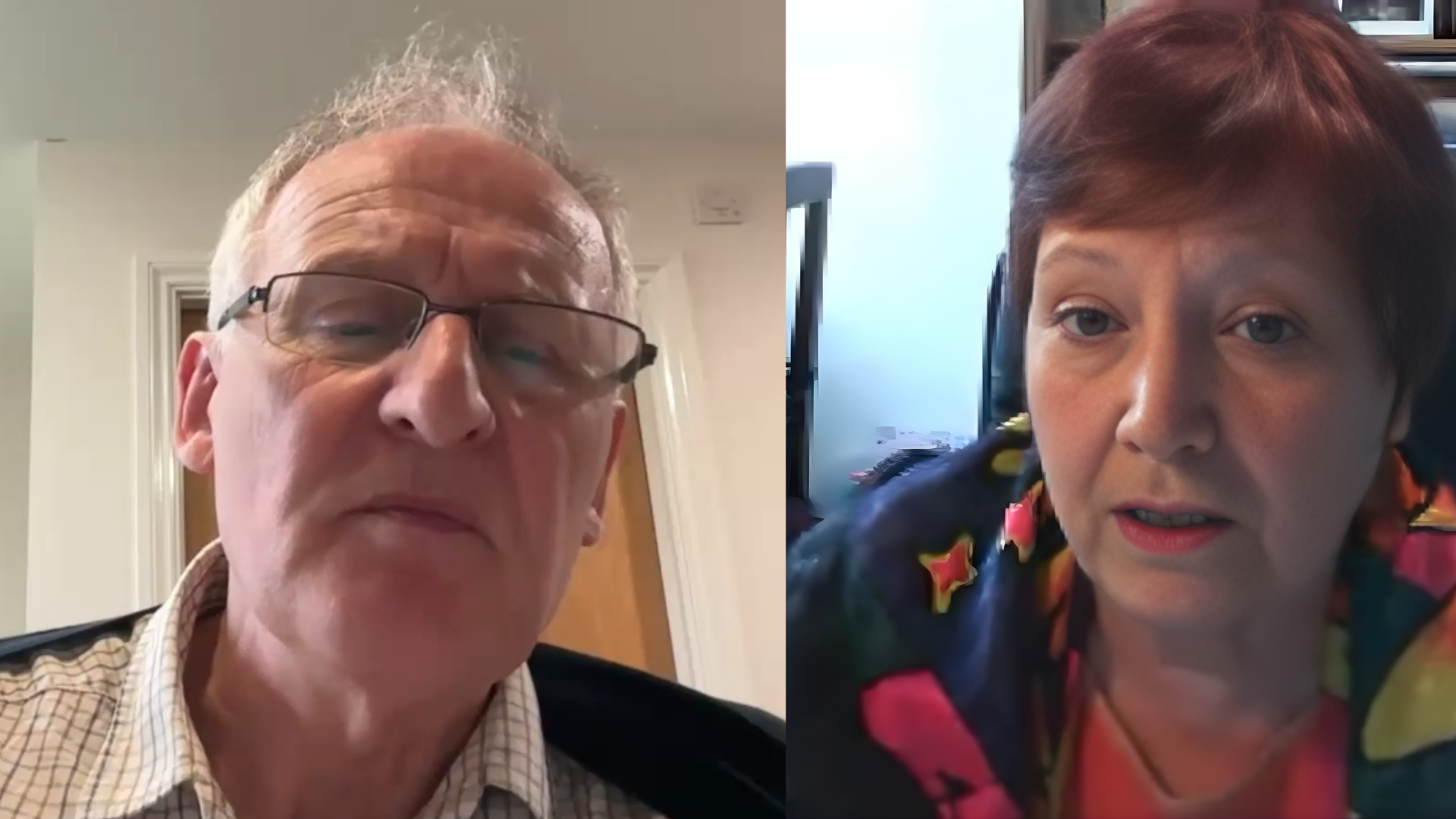
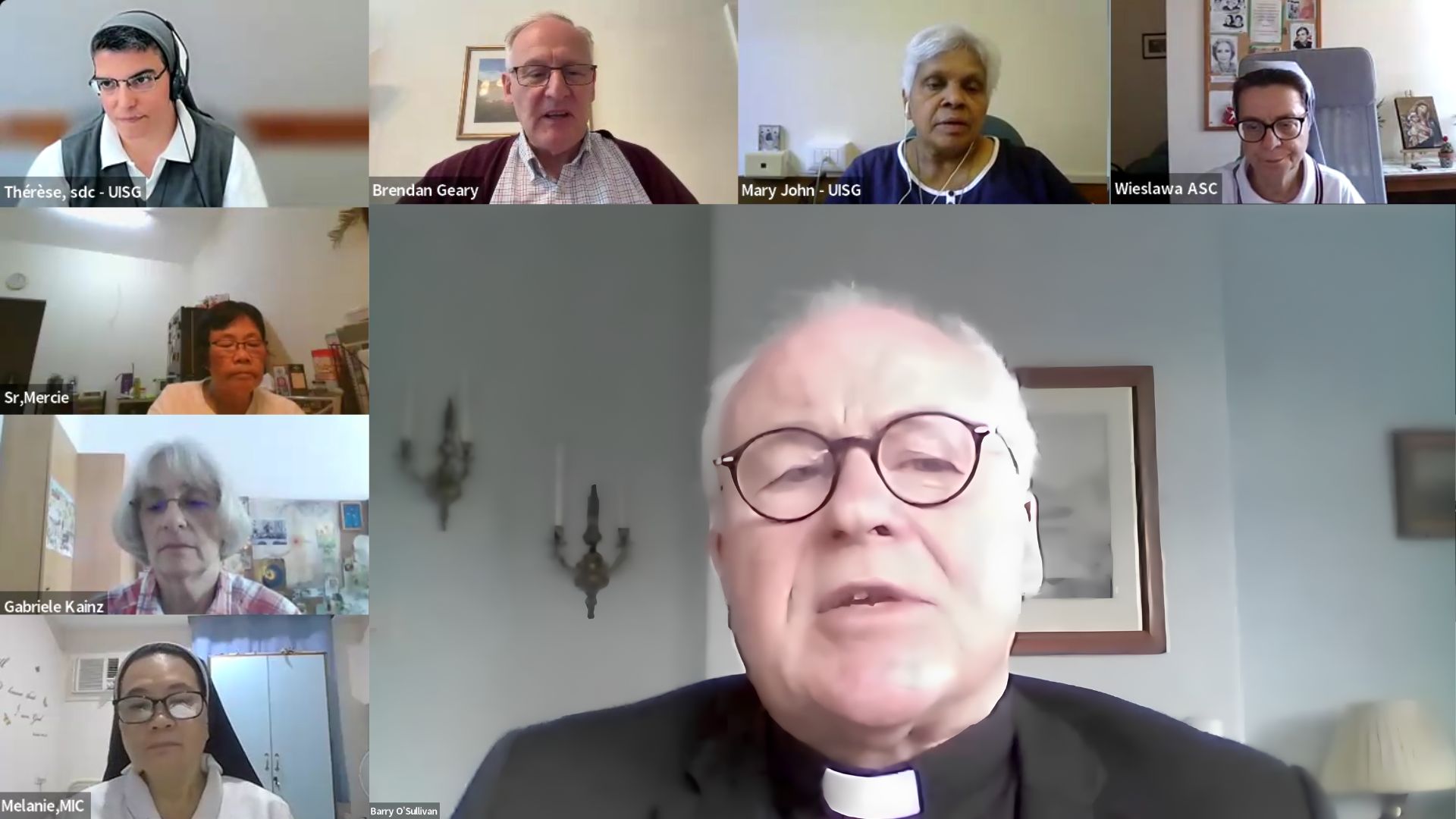
The UISG – USG Commission for Safeguarding recently organized a webinar titled “Responding to Members of Religious Orders Who Have Abused”, bringing together more than 1,000 participants from across the world. The session touched a very complex and painful challenge for consecrated life today: how to respond responsibly, justly and in a Gospel manner to a member who has committed abuse.
Br Brendan Geary, Marist Brother, psychologist and safeguarding specialist, and Nancy Camilléri, a retired teacher from a German Marist school who works in the prevention and defense of the rights of children, were the presenters. Both speakers, with their experience of dealing with abuse cases within religious contexts, shared their inputs which were grounded in concrete cases.
The session begun with a prayer led by Sr Mary John, SSpS, UISG Vice-Executive Secretary. Reading from Scripture, she highlighted the biblical commandment to care for and protect one another, especially those who are vulnerable, alongside the call to trust in God’s merciful love.
Br Brendan Geary built his reflection on the Paramountcy Principle, which states: “The needs and interests of victims must have paramount consideration.” He acknowledged the Church’s historic failures, particularly when greater protection was given to the offenders than to those who were harmed, quoting Cardinal Kaspar who called it a form of pseudo-mercy. Any authentic response, he stressed, must begin with listening to victims, ensuring justice, and seeking meaningful reparation.
Having affirmed this, he then explored the difficult question of how to respond to members who have been found guilty. He emphasized the importance of clear restrictions, structured supervision and accountability, alongside appropriate human and spiritual support. Introducing the “Good Lives Model”, Br Brendan explained an approach aimed at reducing the risk of reoffending by helping offenders to develop positive and responsible life goals, without in any way minimizing the seriousness of the harm caused.
Nancy Camilléri shared a concrete case from her own experience, describing her accompaniment of a religious brother who had abused students over many years while maintaining a respected and charismatic public profile. Her testimony highlighted the profound and long-lasting impact of abuse on victims, many of whom continue to suffer psychological and spiritual consequences. She also spoke of the significant challenges religious institutes face when implementing safeguarding measures, including the imposition of strict security protocols or, where necessary, dismissal from the Religious Institute.
Practical and pastoral questions were also addressed, including reflection on appropriate living arrangements for offenders, the need for clear and effective safeguarding plans, the role of independent investigations, and the added complexity when victims and perpetrators belong to the same community. The webinar also highlighted the importance of safeguarding in initial and ongoing formation, the need to unmask unhealthy spiritualities or distorted theologies of sexuality, and the responsibility of leadership in fostering a communal culture of transparency and accountability.
The webinar concluded with small group discussions followed by a plenary question-and-answer session. The next session will take place on 8 June and will explore the relationship between the sacrament of reconciliation and safeguarding.
Through initiatives such as this webinar, the UISG – USG Commission for Safeguarding continues to strengthen its commitment to help congregations build a culture of safeguarding rooted in justice and true mercy, accountability and care, and prevention through formation, always placing the dignity of every person — especially those who have been harmed — at the centre.
Related News
 News
Thursday 11 June 2026
Safeguarding and the Sacrament of Reconciliation: A Conversation the Church Needs
Read
News
Thursday 11 June 2026
Safeguarding and the Sacrament of Reconciliation: A Conversation the Church Needs
Read
 Vatican News
Thursday 21 May 2026
The Pontifical Commission for the Protection of Minors Promotes the Second Annual Encounter on Abuse Prevention in Consecrated Life
Read
Vatican News
Thursday 21 May 2026
The Pontifical Commission for the Protection of Minors Promotes the Second Annual Encounter on Abuse Prevention in Consecrated Life
Read
 Other News
Wednesday 11 February 2026
Free Reflections on Safeguarding during Lent
Read
Other News
Wednesday 11 February 2026
Free Reflections on Safeguarding during Lent
Read
 News
Thursday 06 November 2025
“You shall not take the name of God in vain”: Abuse of adult women and false mysticism
Read
News
Thursday 06 November 2025
“You shall not take the name of God in vain”: Abuse of adult women and false mysticism
Read
Related Projects and Commissions

Safeguarding
Learn more