11/06/2026
News
Safeguarding and the Sacrament of Reconciliation: A Conversation the Church Needs
Safeguarding and the Sacrament of Reconciliation: A Conversation the Church Needs
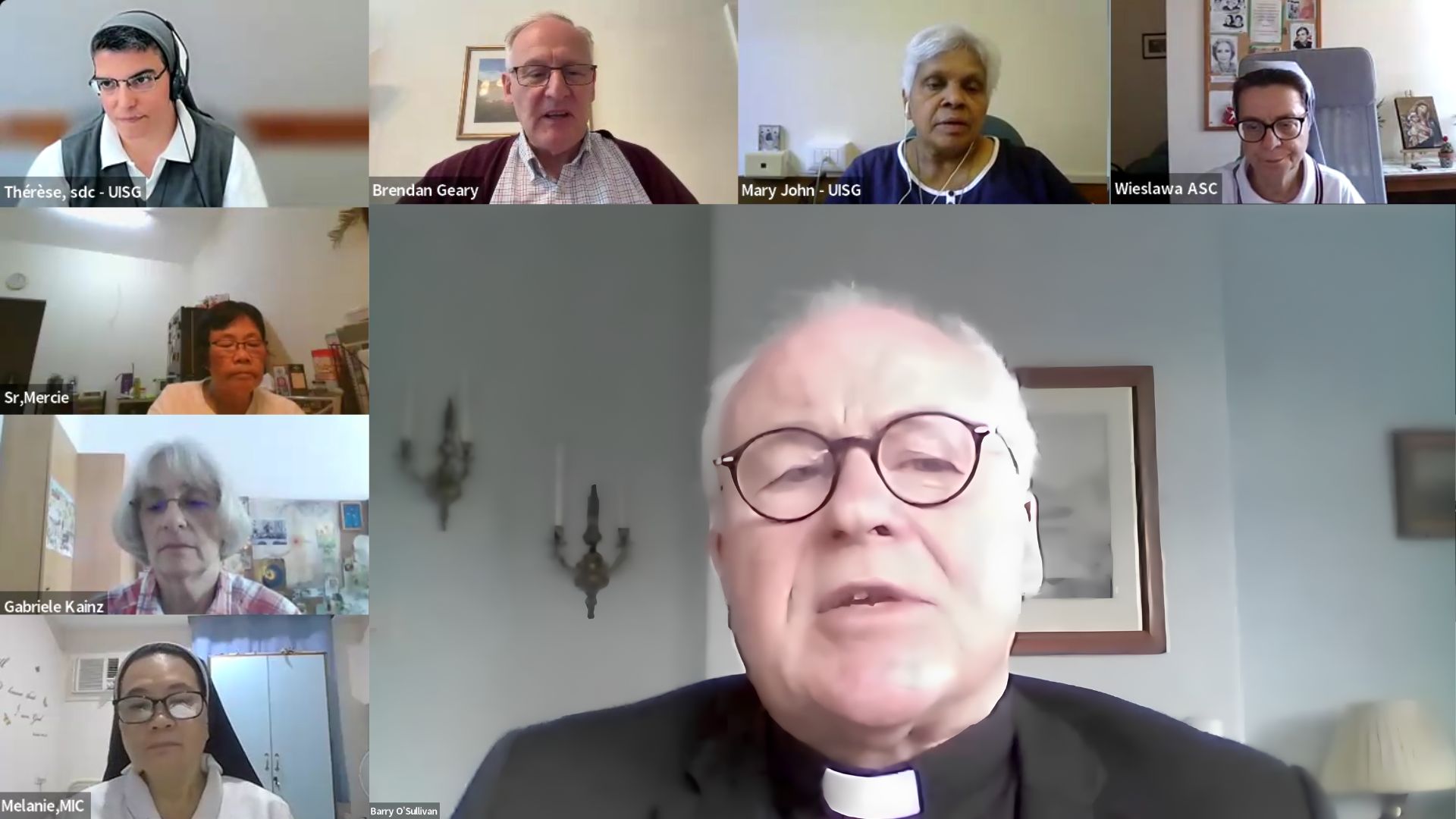
What happens when two deeply important commitments of the Church meet: the protection of vulnerable people and the sacredness of the Sacrament of Reconciliation? This was the question explored during a recent webinar organized by the UISG–USG Safeguarding Commission.
On 8 June 2026, religious sisters, brothers, priests, and safeguarding practitioners from around the world gathered online for a formation session led by Fr. Barry O’Sullivan, who has dedicated more than twenty-five years to safeguarding work in different countries and ecclesial contexts.
The webinar opened with a welcome from Br. Brendan Geary, a member of the UISG–USG Safeguarding Commission, who emphasized the importance of creating spaces where difficult questions can be addressed with honesty, respect, and a desire to learn together. Fr. Mario Zanotti, USG Secretary, led the opening prayer, inviting participants to remember all those who have suffered abuse and to place at the centre of the conversation the search for healing, justice, and reconciliation.
Learning from the Past, Looking to the Future
Drawing on his long experience, Fr. O’Sullivan reflected on how the Church’s understanding of safeguarding has developed over the years. He acknowledged the painful reality that, for too long, abuse was often misunderstood, minimized, or left unaddressed.
Today, he said, safeguarding is no longer seen as an optional aspect of ministry. It is an essential responsibility and a concrete expression of the Gospel's call to protect the vulnerable and uphold the dignity of every person.
“Safeguarding is not only about procedures,” he noted. “It is about people. It is about creating environments where everyone can feel safe, respected, and valued.”
Reconciliation as a Place of Healing
A central focus of the webinar was the Sacrament of Reconciliation and its enduring role in the life of the Church.
Fr. O’Sullivan invited participants to reflect on confession not simply as a religious obligation, but as a place where people encounter God's mercy, face the truth about themselves, and begin a path of healing and conversion. Even in societies where the practice of confession has declined, the sacrament remains a profound source of hope and renewal.
At the same time, participants explored the complex situations that can arise when experiences of abuse are disclosed within the sacramental context. Such realities raise important pastoral, theological, and legal questions that require careful discernment and ongoing formation.
Holding Complexity with Wisdom
One of the most engaging parts of the session focused on the relationship between safeguarding obligations and the sacramental seal.
Rather than presenting easy answers, Fr. O’Sullivan encouraged participants to remain attentive to the complexity of these questions. Different countries have different legal frameworks, and Church leaders are increasingly called to navigate situations where civil expectations and ecclesial traditions intersect.
The discussion highlighted the importance of listening carefully, understanding different perspectives, and continuing to seek ways of protecting people while remaining faithful to the Church’s sacramental life.
Participants contributed questions and experiences from a wide range of cultural and ecclesial contexts, enriching the conversation and reminding everyone that safeguarding is a shared responsibility across the global Church.
Building Communities of Trust
Throughout the webinar, one message returned again and again: safeguarding is not only about responding when harm occurs. It is about building communities where abuse is less likely to happen because respect, accountability, transparency, and care are part of everyday life.
This requires more than policies. It requires formation, leadership, a willingness to listen to survivors, and a commitment to fostering relationships grounded in dignity and mutual responsibility.
As the session came to an end, participants expressed gratitude for the opportunity to engage with a topic that is both challenging and necessary. The conversation revealed the importance of continuing to learn together as the Church seeks to strengthen a culture of safeguarding in every community and ministry.
Walking Forward Together
The UISG–USG Safeguarding Commission continues to offer opportunities for reflection and formation that support religious congregations and Church leaders in creating safer environments for all.
In a Church called to be a sign of hope and healing, safeguarding remains an essential part of the journey—one that invites us to protect the vulnerable, listen to those who have been harmed, and build communities where every person can flourish in dignity and trust.
20/06/2026
Tahira Sarwar
We all are called to serve with our whole hearts and strength. May this step bring us together to serve the vulnerable and broken hearts. May Christ bless your works
Related News
 Vatican News
Thursday 21 May 2026
The Pontifical Commission for the Protection of Minors Promotes the Second Annual Encounter on Abuse Prevention in Consecrated Life
Read
Vatican News
Thursday 21 May 2026
The Pontifical Commission for the Protection of Minors Promotes the Second Annual Encounter on Abuse Prevention in Consecrated Life
Read
 News
Monday 02 March 2026
How to respond to Members of Religious Orders Who Have Abused
Read
News
Monday 02 March 2026
How to respond to Members of Religious Orders Who Have Abused
Read
 Other News
Wednesday 11 February 2026
Free Reflections on Safeguarding during Lent
Read
Other News
Wednesday 11 February 2026
Free Reflections on Safeguarding during Lent
Read
 News
Thursday 06 November 2025
“You shall not take the name of God in vain”: Abuse of adult women and false mysticism
Read
News
Thursday 06 November 2025
“You shall not take the name of God in vain”: Abuse of adult women and false mysticism
Read
Related Projects and Commissions

Safeguarding
Learn more
23/06/2026
João Carlos Karling
Muitíssimo agradecido. Foi de iluminação em minhas reflexões.