17/08/2026
Noticías
Theologians in Nemi: Discerning Together, Witnessing Together
Theologians in Nemi Discerning Together, Witnessing Together
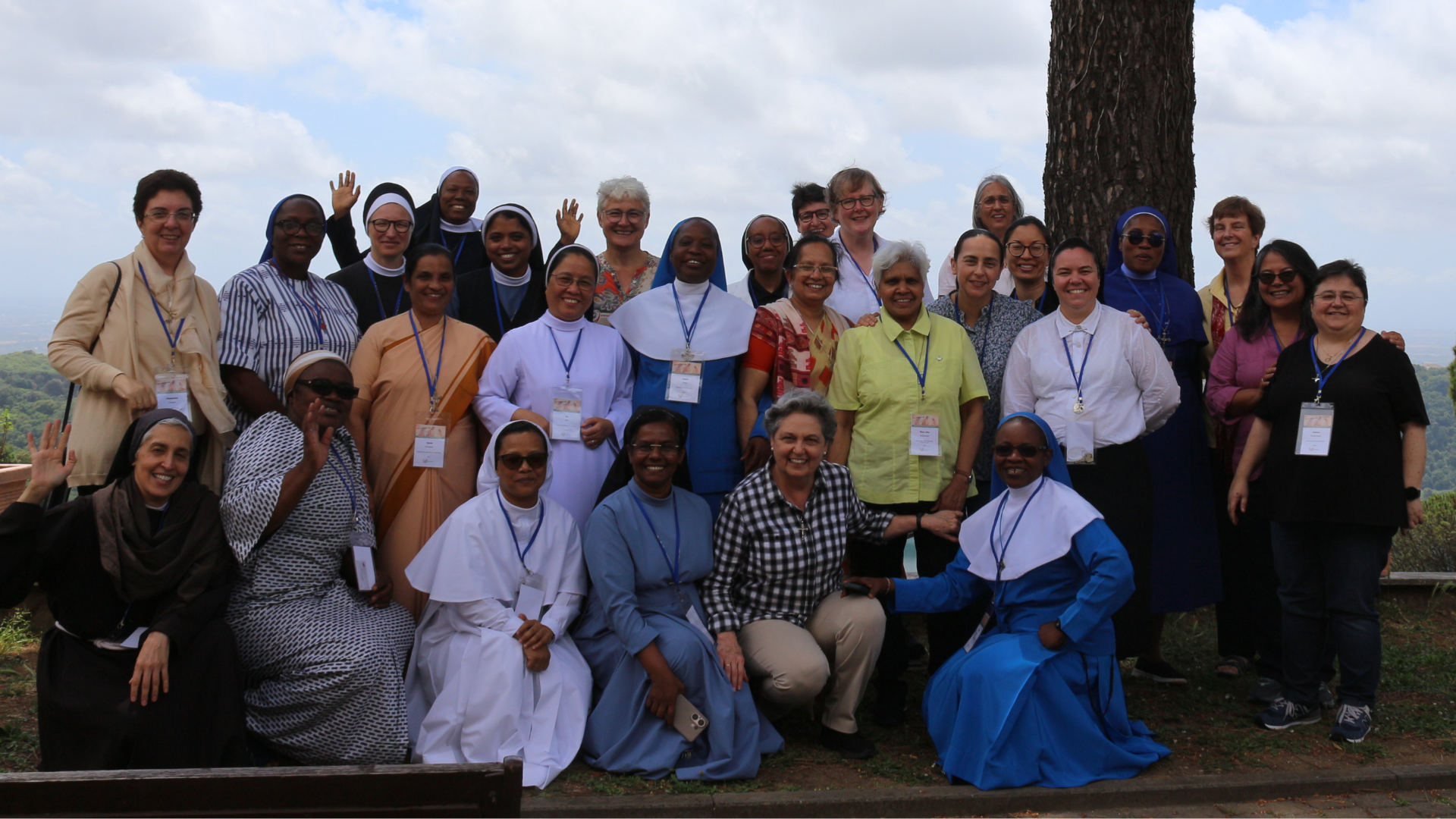
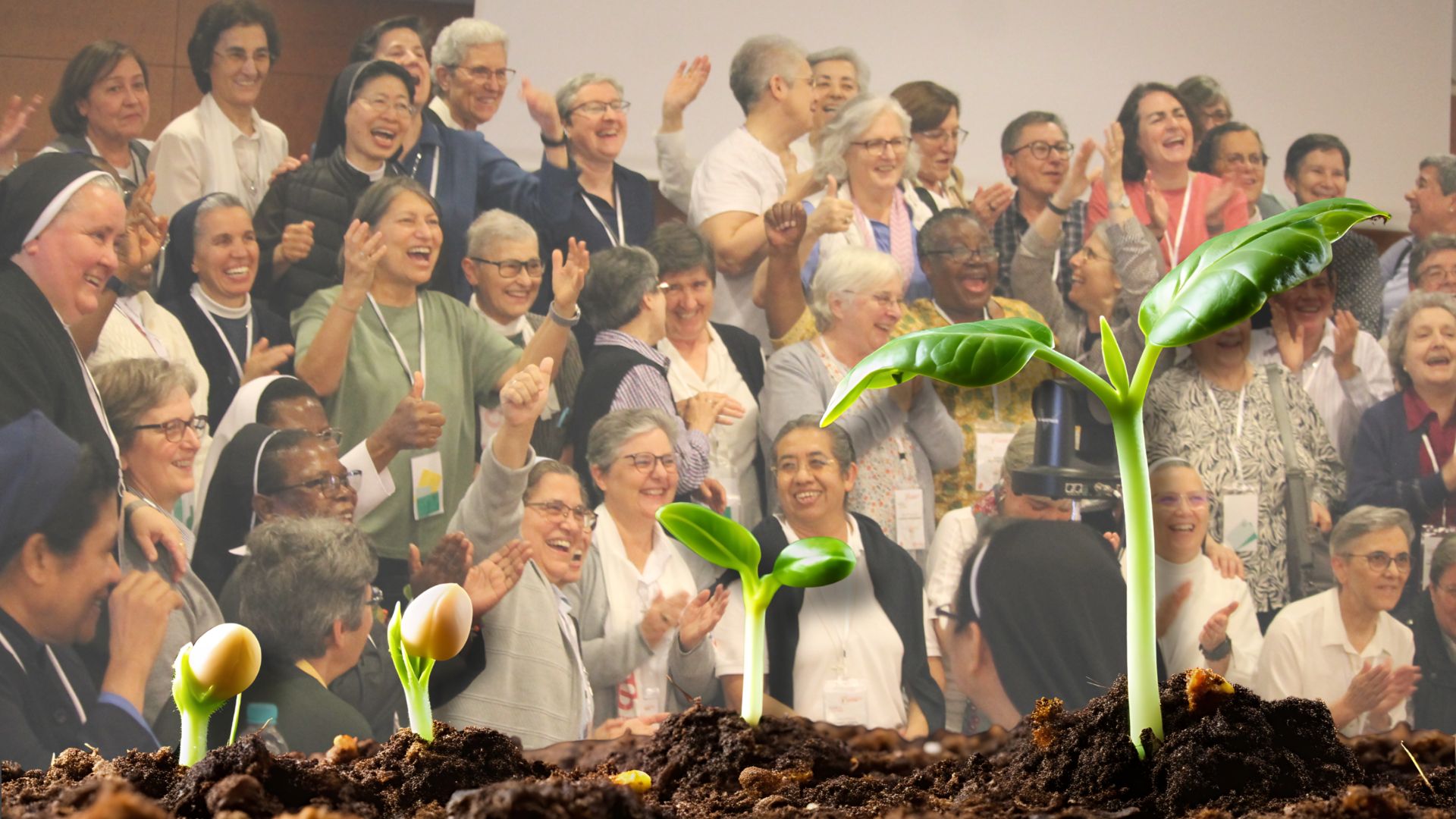
From 31 May to 7 June 2026, Nemi hosted the UISG Symposium of Women Religious Theologians, bringing together 23 theologians from 11 countries and four continents.
Each week, we will share some of the experiences, reflections and voices of the participants.
Opening this series is the account of Sr. Sabine Schratz OP, who takes us into her experience of the Symposium in Nemi.
There is perhaps no better time of year to visit Nemi in the Alban Hills south of Rome than June, when the strawberries are in season. And there are few – if any – better occasions for a visit than bringing together 23 women theologians from 11 countries and four continents, representing all fields of theology. This meeting of the third cohort of the UISG Women Religious Theologians network took place from 31 May to 7 June 2026.
One of the secrets of the symposium’s success was the thorough and cooperative preparation, which involved Zoom meetings to identify the themes to be addressed. The three topics chosen as being of utmost relevance to the Church in general and to religious life in particular were synodality, AI and digitalisation, and authority, obedience and abuse.
These topics were addressed on three dedicated days of the symposium, with an excellent selection of speakers from academia and religious life providing their insights. On the opening day, there was an opportunity to discuss matters with the UISG president, Oonah O’Shea NDS, and the two congregation leaders Miriam Altenhofen SSpS and Monica Mary Ncube CPS. Professor Giovanni Tridente from the Pontifical University of Santa Croce then provided an introduction to the technical possibilities and ethical challenges of AI. Sister Maria Rosaura González STJ spoke about the multi-layered dimensions and forms of abuse, a topic explored in greater depth through case studies. Three congregation leaders – Angela Kapitingana MSOLA, Nirmala Nazareth AC, and Laurence Loubières, XMCJ – shared on how the concept of synodality had transformed the leadership style and decision-making in their communities.
Following the presentations, participants were given time for personal reflection and group work. We were invited to consider what we had heard in the context of our own theological discipline and life experiences, and to think about how theology could provide additional insight and support. One particularly memorable experience for me was practising ‘Conversation in the Spirit’, a method, though solution-oriented, that prevents participants from rushing to quick answers. It might be summed up by an expression inspired by Pope Leo’s Magnifica Humanitas, namely: ‘the slowness of wisdom and the wisdom of slowness’.
A particular highlight was our visit to Castel Gandolfo, where we met the new Director of the Vatican Observatory, Father Richard D’Souza SJ. He gave us a tour of the observatories and provided fascinating insights into the history of papal astronomical research, including the meticulous contributions of “hidden sisters”, as well as his own work as an astronomer – all of this proving the long-standing misconception that Church, faith and science are incompatible to be wrong. The day ended with a fabulous dinner at a restaurant with stunning views of Lake Albano.
During two mornings, participants presented their own fields of expertise and research interests, laying the foundations for future collaboration within the network. This prompted reflections on what future commitments might entail at continental and subject-specific levels, from which church, religious life and pastoral practice could benefit.
On the final day, we were delighted to welcome the UISG Executive Secretary, Roxanne Schares SSND. She gave us some wonderful words of encouragement and presented us with our certificates.
I will take away many impressions from this symposium: the encounters with sisters from all over the world, a deeper understanding of their diverse cultural and social contexts, colourful and profound liturgies, a cheerful atmosphere and unpretentious camaraderie, and an intense and trusting exchange that revealed many commonalities despite our differences. Above all, however, I leave with a profound sense of the responsibility bestowed upon us as women religious theologians through our privileged formation. We have the authority and influence to effect change within our church, our congregations and the communities we serve. This is especially true when we stand and work together.
This report would not be complete without thanking UISG for enabling the symposium with the help of the Conrad Hilton Foundation, the Centro Ad Gentes for their warm hospitality, and, above all, the four wonderful organisers: Sisters Maria Cimperman RSCJ, Shalini Mulackal PBVM, Mary John Kudiyiruppil SSpS and Paula Noronha Jordão FMVD. Anyone who has ever organised an event with women religious will appreciate what these four took on with the patience of angels. No problem was too big, no technical challenge too difficult and no special request was left unfulfilled. Thank you one and all!
News relacionadas
 Noticías
Segunda-Feira 14 Setembro 2026
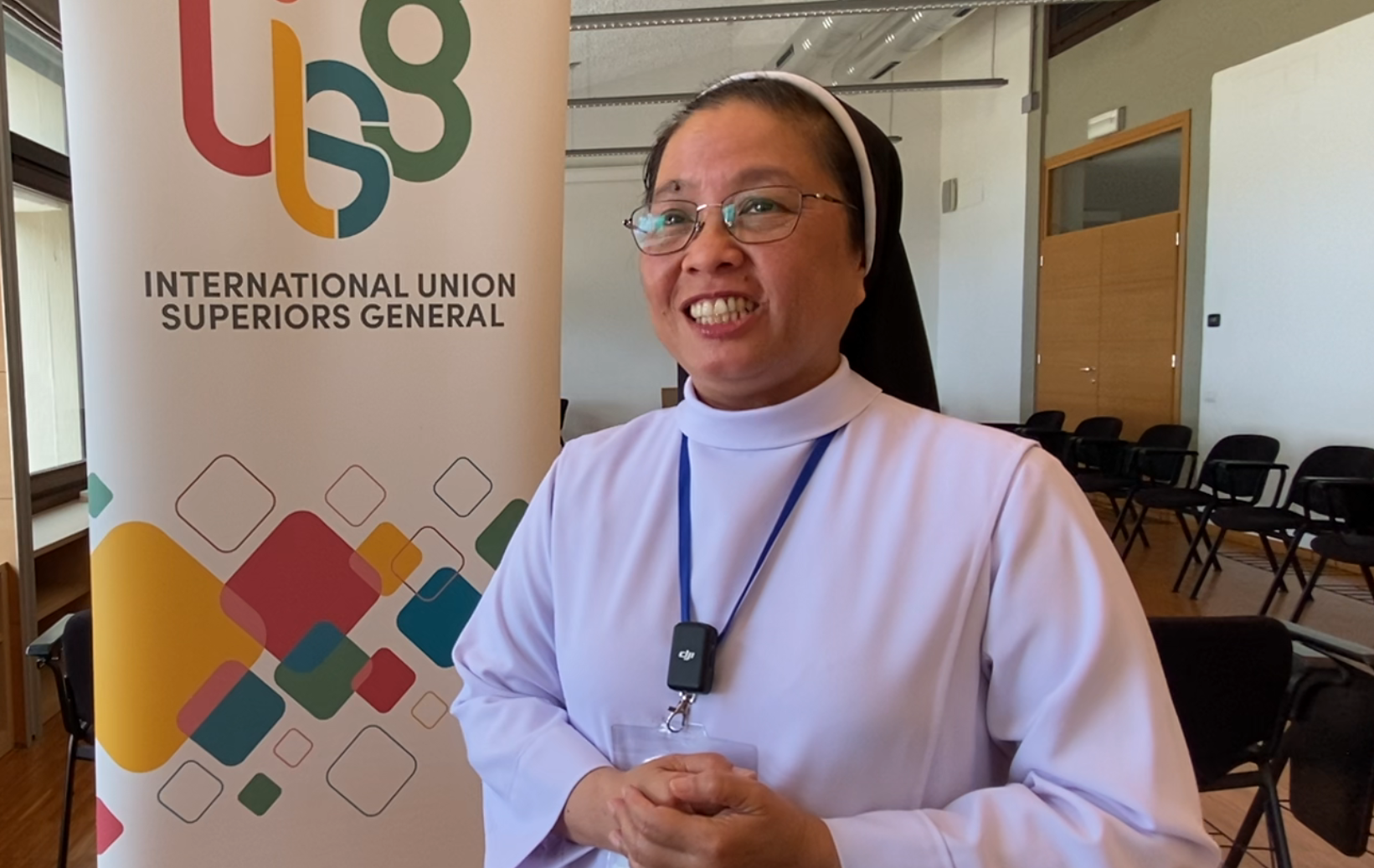
A experiência da Ir. Ha Dinh no Simpósio de Religiosas Teólogas em Nemi: «O encontro foi como um Pentecostes contemporâneo.»
Ler
Noticías
Segunda-Feira 14 Setembro 2026
A experiência da Ir. Ha Dinh no Simpósio de Religiosas Teólogas em Nemi: «O encontro foi como um Pentecostes contemporâneo.»
Ler
 Noticías
Segunda-Feira 07 Setembro 2026
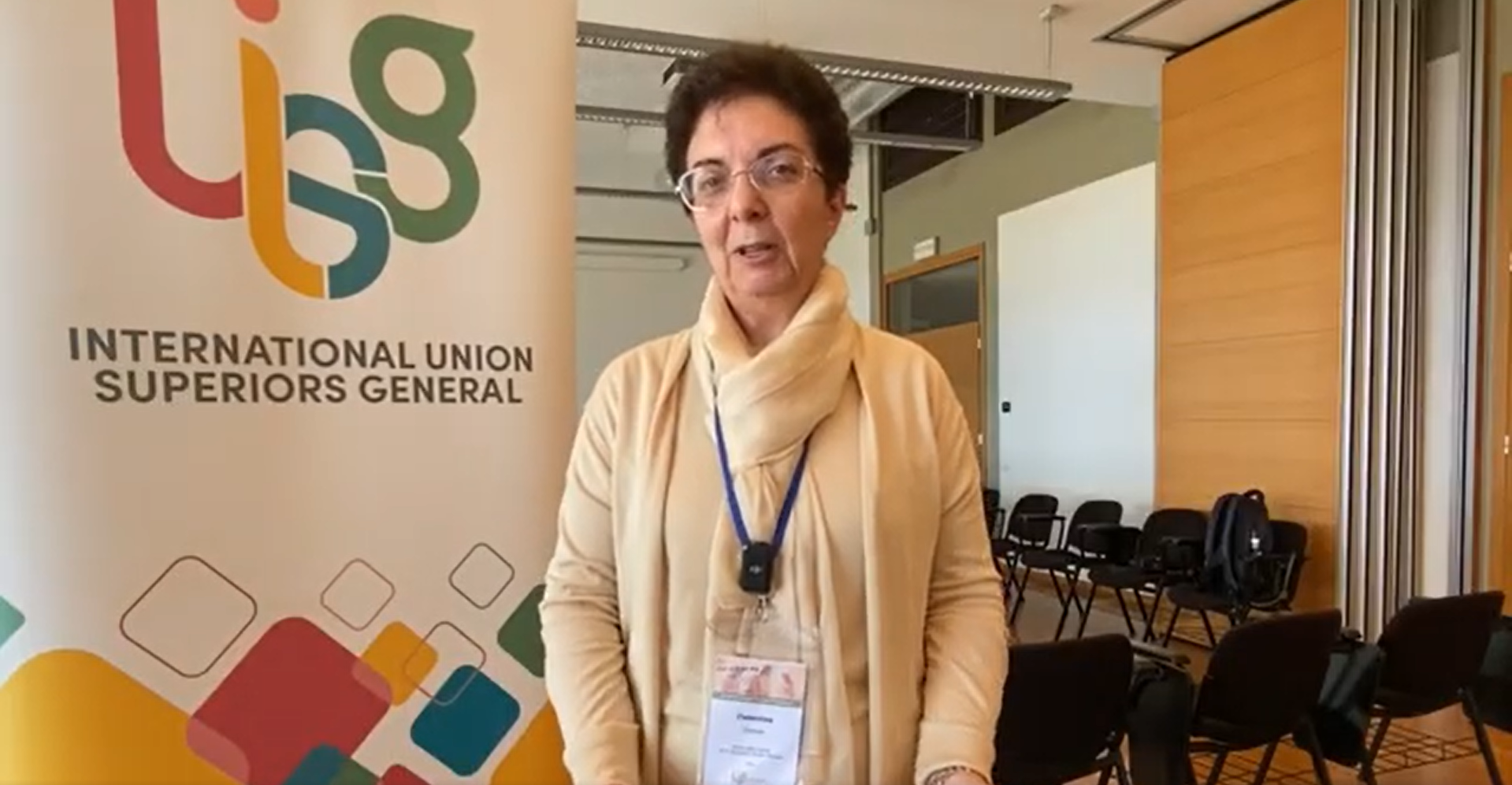
A experiência da Ir. Clementina Carbone no Simpósio das Religiosas Teólogas em Nemi: «Construir redes torna-nos mais fortes»
Ler
Noticías
Segunda-Feira 07 Setembro 2026
A experiência da Ir. Clementina Carbone no Simpósio das Religiosas Teólogas em Nemi: «Construir redes torna-nos mais fortes»
Ler
 Noticías
Segunda-Feira 31 Agosto 2026
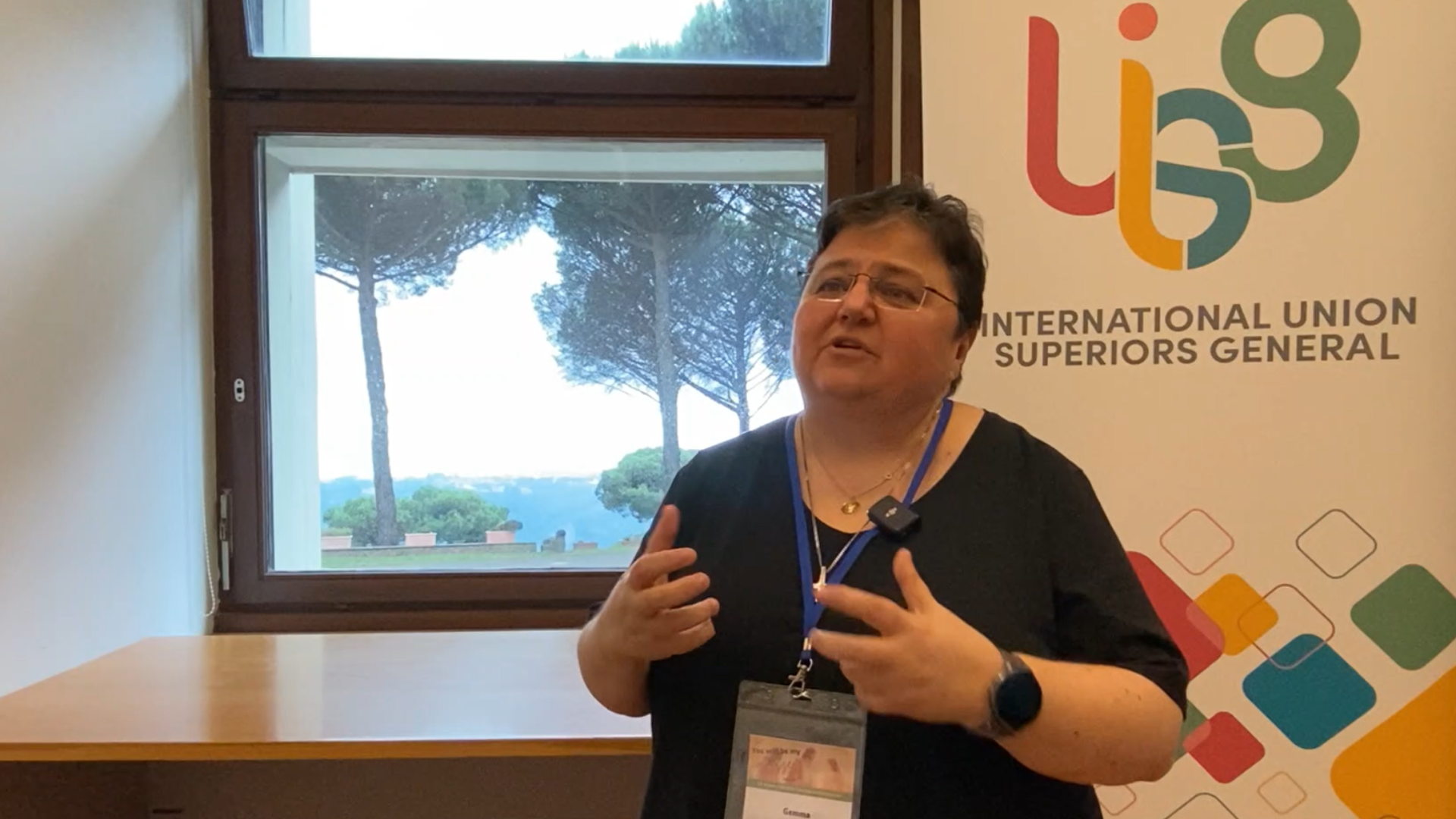
A experiência da Ir. Gema Morató Sendra no Simpósio de Religiosas Teólogas em Nemi: «Abramos grandes horizontes onde todos e todas tenham lugar»
Ler
Noticías
Segunda-Feira 31 Agosto 2026
A experiência da Ir. Gema Morató Sendra no Simpósio de Religiosas Teólogas em Nemi: «Abramos grandes horizontes onde todos e todas tenham lugar»
Ler
 Noticías
Terça-Feira 31 Março 2026
Páscoa – Transformados pela esperança
Ler
Noticías
Terça-Feira 31 Março 2026
Páscoa – Transformados pela esperança
Ler
17/08/2026
Giuseppe Tartamella
Saranno pubblicati gli atti? Sarebbe interessante